
Types of Abdominal Pain Emergencies in Children Symptoms & When to Seek Care
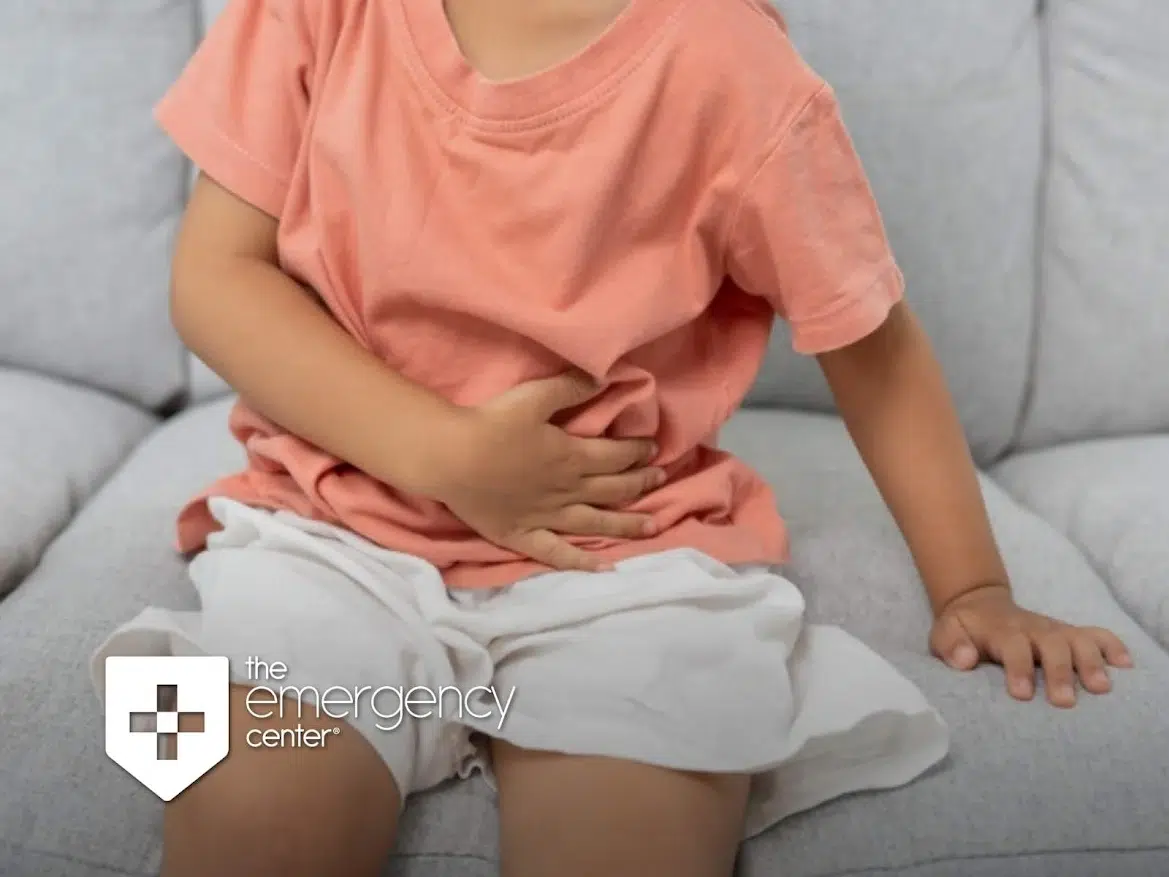
Abdominal pain is one of the most common reasons children are brought to the emergency room. While many cases are mild and caused by issues like gas, constipation, or a minor stomach virus, some types of abdominal pain can signal a serious condition that requires immediate medical attention. At The Emergency Center, we understand how difficult it can be to determine what is normal and what is not, especially when your child is in pain.
Common Causes of Abdominal Pain in Children
Children experience abdominal pain for a wide variety of reasons. Some of the more common, less serious causes include:
- Gas or bloating
- Constipation
- Mild viral infections such as stomach bugs
- Food intolerance
These conditions are often temporary and improve with rest, hydration, and time. However, it is important to stay alert for symptoms that suggest something more serious.
Serious Causes of Emergency Abdominal Pain in Children
Certain conditions can quickly become dangerous if not treated promptly. Knowing the signs can help you act fast.
Appendicitis
Appendicitis is one of the most common abdominal emergencies in children. It typically starts as pain around the belly button and then moves to the lower right side of the abdomen. Other symptoms may include:
If untreated, the appendix can rupture, leading to a life threatening infection.
Intussusception
This condition occurs when part of the intestine slides into another section, causing a blockage. It is most common in infants and young children. Symptoms include:
- Sudden, severe abdominal pain that comes and goes
- Crying and drawing knees to the chest
- Vomiting
- Bloody or jelly like stools
Intussusception requires urgent medical treatment.
Bowel Obstruction
A blockage in the intestines can prevent food and fluids from passing normally. Warning signs include:
- Severe abdominal pain and swelling
- Vomiting, sometimes green or yellow bile
- Inability to pass stool or gas
This condition can become life threatening without prompt care.
Gastroenteritis with Dehydration
While stomach viruses are common, severe vomiting and diarrhea can lead to dehydration, especially in younger children. Signs of dehydration include:
- Dry mouth or lips
- Little or no urine output
- Sunken eyes
- Lethargy or irritability
Dehydration can escalate quickly and may require IV fluids.
Testicular Torsion (Boys)
Though not directly an abdominal issue, testicular torsion can cause lower abdominal pain. It occurs when the testicle twists, cutting off blood supply. Symptoms include:
- Sudden, severe pain in the lower abdomen or groin
- Swelling or redness
- Nausea or vomiting
This is a surgical emergency and requires immediate attention.
Warning Signs of a Pediatric Abdominal Emergency
Not all abdominal pain needs an ER visit, but certain symptoms should never be ignored. Bring your child to The Emergency Center right away if they experience:
- Severe or worsening pain
- Pain localized to one area, especially the lower right side
- High fever
- Persistent vomiting
- Blood in vomit or stool
- Swollen or rigid abdomen
- Difficulty walking or standing upright due to pain
- Signs of dehydration
- Unusual drowsiness or confusion
Trust your instincts. If your child seems unusually ill or the pain feels different from anything they have experienced before, it is best to seek medical care.
What to Do Before Bringing a Child to the ER for Abdominal Pain
If your child is experiencing concerning abdominal pain:
- Avoid giving food or drink if vomiting is severe
- Do not give medications unless directed by a healthcare provider
- Keep your child as comfortable as possible
- Note when the pain started and any other symptoms
Sharing this information with medical providers can help speed up diagnosis and treatment.
How The Emergency Center Can Help
At The Emergency Center, our team is experienced in evaluating pediatric abdominal pain quickly and accurately. We use advanced diagnostic tools such as imaging and lab testing to identify the cause and determine the best course of treatment.
Depending on the diagnosis, care may include:
- Pain management and observation
- IV fluids for dehydration
- Medications for infection or inflammation
- Surgical consultation if needed
Our goal is to provide compassionate, efficient care so your child can start feeling better as soon as possible.
Abdominal pain in children can be unpredictable. While many cases are harmless, others can become serious in a short amount of time. Knowing the warning signs and acting quickly can make all the difference.
The Emergency Center is open 24 hours a day, 7 days a week, ready to provide expert care for your child when it matters most.

The Emergency Center
San Antonio
11320 Alamo Ranch Pkwy
San Antonio, TX 78253
Phone: 210-485-3644
Conroe
4019 Interstate 45 N,
Conroe, TX 77304
Phone: 936-247-9457