
When to Go to the ER for a Drug Overdose
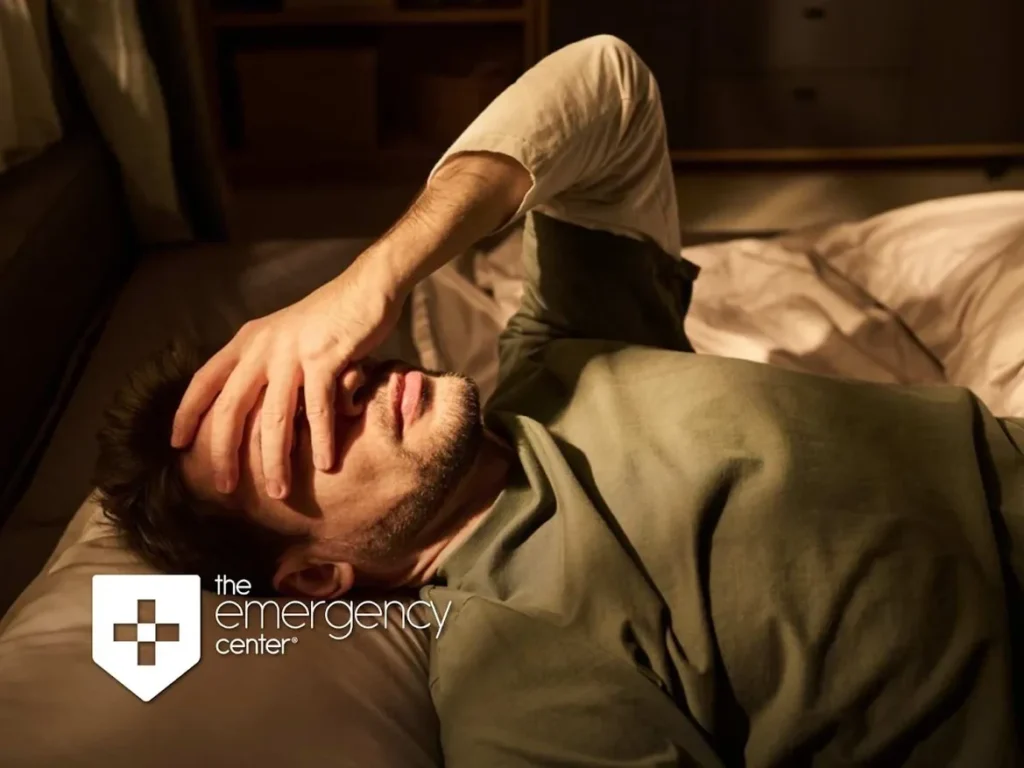
Time is your biggest enemy when someone is overwhelmed by a toxic substance. Waiting to see if they will just sleep it off is incredibly dangerous and can easily lead to permanent damage or a fatal outcome.
You need to head to the nearest emergency room immediately if the person is acting extremely confused, hallucinating, or if their pupils look like tiny pinpoints or are unusually enlarged.
You also need to watch their breathing very closely. If their breaths become shallow, if you hear weird gurgling sounds, or if you notice a bluish-gray tint to their lips and fingernails, you need professional medical help right away. Another major warning sign is vomiting while unconscious, which requires immediate stabilization to prevent choking.
Common Types of Overdose Emergencies We Treat
Because different drugs affect the human body in completely different ways, every single overdose requires a unique medical approach.
Our facility is fully equipped to handle a massive range of toxic emergencies and severe withdrawal symptoms. Our emergency physicians have the hands-on experience needed to identify the crisis quickly and get the absolute best treatments started.

1. Prescription Medication Overdose
It is shockingly easy to accidentally take too much of a regular medication, especially if someone is managing multiple prescriptions or dealing with memory issues. Taking a double dose of blood pressure pills, antidepressants, or everyday over-the-counter medicines can cause an immediate crisis, and mixing a prescription with alcohol can do the same. These situations often cause the patient’s heart rate to drop dangerously low or send their blood pressure skyrocketing out of control. Our team monitors those vital signs continuously, starts an IV when it is needed, and treats the reaction directly.
2. Opioid or Pain Medication Overdose
Prescription painkillers, fentanyl, heroin, and other illicit opioids carry a high risk of accidental overdose because they directly suppress the nervous system. If someone takes too much, their body might go limp and their breathing can slow to a crawl or stop entirely. If you have naloxone, often known as Narcan, administer it immediately while calling for help. Even if the person wakes up, you still must get them to the ER. That reversal medication wears off much faster than the opioids leave their system, so the patient can stop breathing again without professional observation.
3. Alcohol and Drug-Related Emergencies
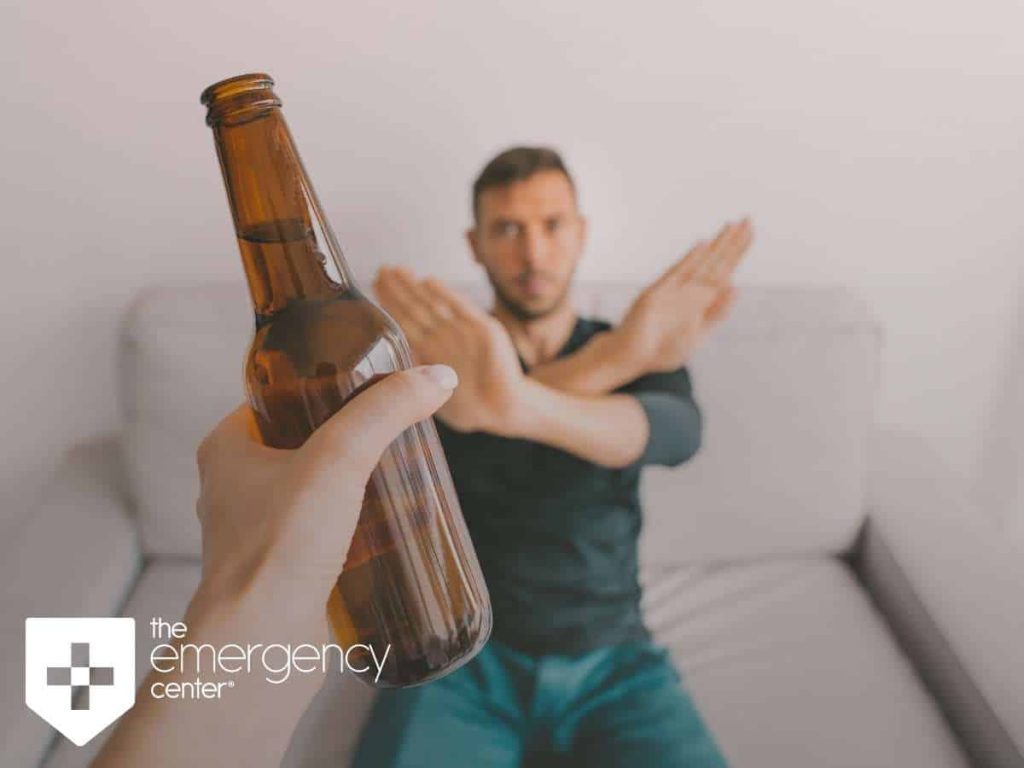
A severe night of drinking is dangerous on its own, especially if someone consumes enough to start shutting down their basic life-support functions. You might think they just need to sleep it off, but cold, clammy skin or very slow breathing points to severe alcohol poisoning. A cold shower or black coffee will not sober anyone up, and it raises their risk of injury. The danger multiplies if they mix drinks with sedatives. We also treat withdrawal symptoms such as delirium tremens, which can cause hallucinations, high fevers, and seizures if someone suddenly stops drinking.
4. Accidental or Unknown Substance Overdose
Sometimes a curious toddler gets into a medicine cabinet, or a teenager tries a pill without any idea what is in it. When you are not sure what the person swallowed, the situation becomes tense fast. Our emergency staff is trained to look for specific physical clues and to use rapid lab testing to identify the substance causing the reaction. Blood and urine tests narrow it down quickly, and an IV helps flush the toxins from their system. We keep the patient under close observation until they are stable. Bring the pill bottles or the packaging with you if you can, because it speeds up the search.
How We Handle Drug Overdose Symptoms
Walking into the ER with an overdose can feel chaotic, but our medical team follows strict, fast-paced protocols to take control of the situation. From the moment you walk in, our first job is making sure the patient’s airway is clear and that their pulse is stable. We hook them up to our monitors immediately, which lets us watch their blood pressure and oxygen levels constantly as we work.
Once we know their vitals are steady, we switch our focus to uncovering the exact drug they ingested. We often rely on quick blood or urine tests, and we usually start an IV to help flush out the toxins and correct any severe electrolyte imbalances. If we know what drug caused the crash, the doctors can administer a targeted antidote to counteract the poison directly. We also keep the patient under very close observation to ensure they don’t experience dangerous withdrawal seizures. In cases where someone needs several days in an intensive care unit to bounce back completely, our staff takes care of transferring them to a larger hospital safely.
Drug Overdose Emergency or Concern? Know the Right Next Step
When you are staring down a potential overdose, panic is your worst enemy. If the person has completely passed out, is actively having a seizure, or their breathing sounds like a terrible struggle, do not attempt to drive them anywhere. Call 911 immediately and let the paramedics start life-saving treatments in the ambulance. While you wait for help, always roll the person onto their side to reduce the risk of choking just in case they start vomiting.
If the person is awake, breathing fine, and generally stable but you know they took too much of a medication, you can try calling Poison Control for initial guidance. However, watch for signs that their condition is slipping, such as sudden drowsiness, confusion, or severe nausea. If you see any of those, you must get them to an emergency room right away. The Emergency Center is open twenty-four hours a day, meaning you never have to wait for a clinic to open when minutes matter most. For more background on the warning signs, read our guide to drug overdose, withdrawal, and alcohol poisoning.
FAQs About Drug Overdose Emergencies
How Quickly Will a Patient Be Seen for a Drug Overdose?
Overdose cases are pushed to the very front of the line the second they walk through our doors. We do not make you sit in a waiting room to fill out paperwork while someone is in a medical crisis. Our triage nurses and emergency doctors jump into action immediately to secure their vital signs, provide oxygen support, and start flushing the toxins from their body.
What Should I Bring With Me to the ER?
Any information you can provide is incredibly helpful for our medical team. If you can do it quickly, grab the pill bottles, any remaining drugs, or the packaging you found near the person. Knowing the exact dosage and name of the substance helps us choose the right antidote much faster. However, if they are struggling to breathe, forget the bottles entirely and just get them medical help immediately.
Can a Freestanding ER Treat a Drug Overdose?
Yes, our freestanding emergency facility is completely equipped to stabilize critical overdose and severe withdrawal patients. Our facility relies on the same kind of advanced heart monitors, fast lab tests, and specialized reversal drugs that you would expect at any major hospital. If the patient requires a long-term stay in an intensive care unit to fully recover, our team coordinates a seamless and safe transfer.
When Should I Call 911 for a Drug Overdose?
You should dial 911 the moment you realize the person cannot be woken up. You also need to call an ambulance if their lips are turning blue, if they are having a seizure, or if they are taking fewer than eight breaths a minute with long, scary pauses in between. Paramedics can administer life-saving reversal drugs on the spot, which is crucial if you do not think you can get them to the emergency room safely on your own.

Get Directions To Visit Us
Alamo Ranch
Conroe