
When to Go to the ER for High Blood Pressure
High blood pressure, also known as hypertension, is often called the “silent killer” because it can develop without noticeable symptoms. Many people live with elevated blood pressure for years without realizing it, increasing their risk for serious complications such as heart attack, stroke, kidney damage, and heart failure. While not every high blood pressure reading requires emergency care, there are situations where immediate medical attention is critical.
Knowing when high blood pressure becomes an emergency can help protect your health and potentially save your life. At The Emergency Center, our experienced emergency medicine teams are available 24/7 to evaluate symptoms, provide rapid treatment, and help prevent dangerous complications from severe hypertension.
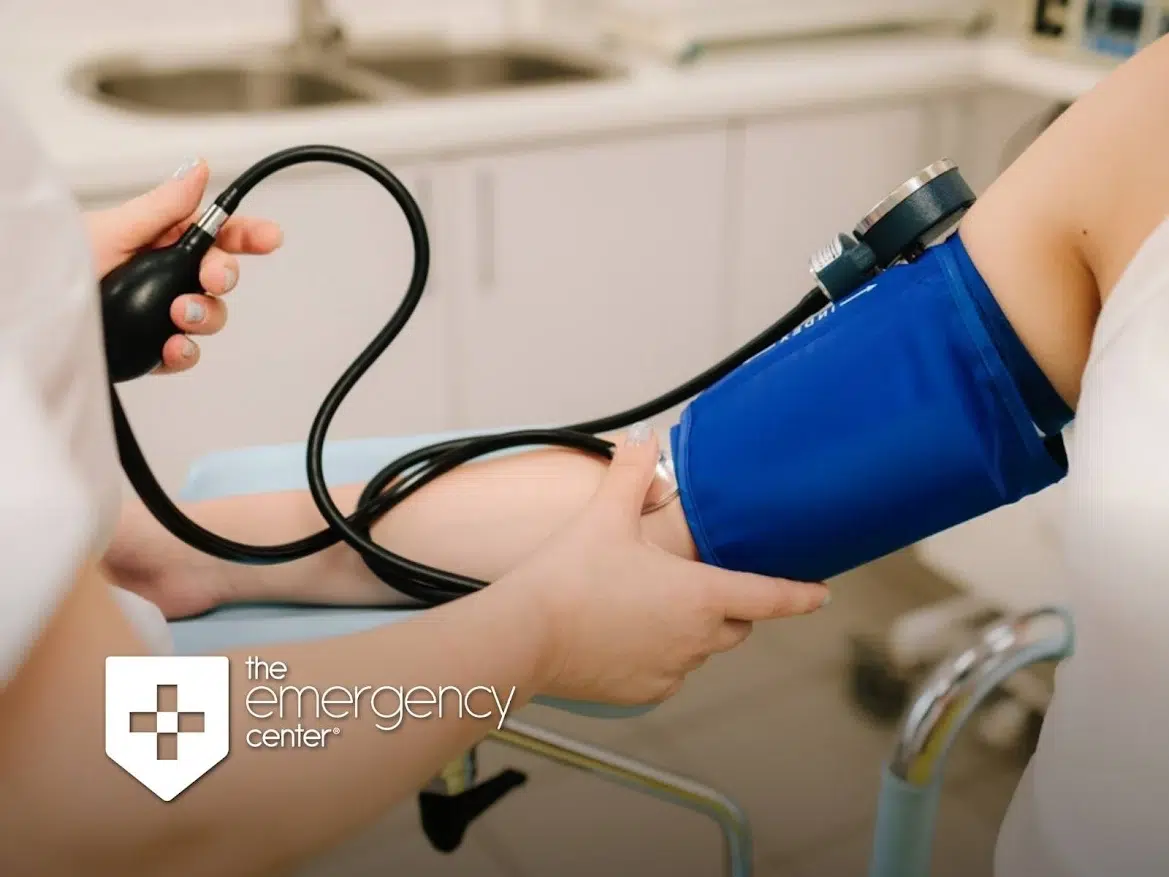
What Is Considered High Blood Pressure?
Blood pressure measures the force of blood pushing against your artery walls. It is recorded with two numbers:
- Systolic pressure (top number): pressure during a heartbeat
- Diastolic pressure (bottom number): pressure between heartbeats
According to current medical guidelines:
- Normal: Less than 120/80
- Elevated: 120-129 and less than 80
- High Blood Pressure (Stage 1): 130-139 or 80-89
- High Blood Pressure (Stage 2): 140/90 or higher
- Hypertensive Crisis: 180/120 or higher
A single high reading does not always mean you are experiencing an emergency. Stress, anxiety, caffeine, exercise, pain, and illness can temporarily increase blood pressure. However, extremely high readings combined with symptoms may signal a life-threatening condition that requires immediate evaluation.
Signs You Should Go to the ER for High Blood Pressure
If your blood pressure reaches 180/120 or higher, especially with symptoms, you should seek emergency medical care right away.
Go to the ER Immediately If You Experience:
- Severe chest pain
- Shortness of breath
- Sudden severe headache
- Vision changes or blurred vision
- Confusion or difficulty speaking
- Weakness or numbness on one side of the body
- Dizziness or loss of balance
- Fainting
- Seizures
- Severe anxiety accompanied by physical symptoms
- Sudden back pain
- Swelling or signs of fluid buildup
These symptoms may indicate a hypertensive emergency, which occurs when extremely high blood pressure is causing damage to organs such as the brain, heart, kidneys, or eyes.
What Is a Hypertensive Emergency?
A hypertensive emergency happens when blood pressure rises so high that it begins damaging the body’s organs and tissues. Without rapid treatment, it can lead to serious complications.
Potential Complications Include:
- Stroke
- Heart attack
- Heart failure
- Kidney failure
- Aortic dissection (tear in a major artery)
- Pulmonary edema (fluid in the lungs)
- Vision loss
This condition requires immediate medical evaluation and treatment in an emergency setting. Delaying care can significantly increase the risk of permanent damage or death.
Symptoms You Should Never Ignore
Sometimes people assume symptoms are caused by stress, fatigue, or dehydration when they are actually related to dangerously high blood pressure. It is important to pay attention to warning signs.
- Severe Headache
- A sudden, intense headache, especially if it is unlike your normal headaches, can be a sign of dangerously elevated blood pressure or even a stroke.
- Chest Pain
- High blood pressure forces the heart to work harder. Chest pain may indicate heart strain, reduced blood flow, or a heart attack.
- Shortness of Breath
- Difficulty breathing can happen when the heart or lungs are affected by uncontrolled blood pressure.
- Neurological Symptoms
- Confusion, slurred speech, weakness, or numbness may signal a stroke or brain-related complication.
- Vision Problems
- Blurred vision, double vision, or sudden vision loss can occur when high blood pressure damages blood vessels in the eyes.
When High Blood Pressure May Not Require the ER
Not all elevated blood pressure readings require emergency treatment. If your blood pressure is high but you are not experiencing symptoms, you may not need to go directly to the ER.
You May Be Able to Follow Up With Your Doctor If:
- Your blood pressure is elevated but below 180/120
- You feel normal and have no concerning symptoms
- You missed a medication dose
- You recently experienced stress or anxiety
- Your reading improves after resting
However, if you are unsure whether your symptoms are serious, it is always better to get evaluated. High blood pressure can escalate quickly, and some emergencies are not immediately obvious.
Common Causes of Dangerous Blood Pressure Spikes
Several factors can cause blood pressure to rise rapidly and dangerously.
Possible Causes Include:
- Missing blood pressure medications
- Severe stress or panic attacks
- Kidney disease
- Heart disease
- Pregnancy complications such as preeclampsia
- Drug or stimulant use
- Certain over-the-counter medications
- Chronic uncontrolled hypertension
People with existing cardiovascular conditions may face a higher risk for hypertensive emergencies.
What to Do If You Have a Very High Blood Pressure Reading
If you check your blood pressure and receive a dangerously high reading, remain calm and take a few steps before rechecking it.
Steps to Take:
- Sit down and rest quietly for five minutes
- Avoid caffeine, smoking, or exercise
- Recheck your blood pressure
- Monitor for symptoms
If the reading remains 180/120 or higher, especially with symptoms, seek emergency medical attention immediately.
Do not attempt to rapidly lower your blood pressure on your own unless directed by a medical professional. Sudden drops in blood pressure can also be dangerous.
How The Emergency Center Can Help
At The Emergency Center, we understand how frightening high blood pressure symptoms can feel. Our emergency teams are equipped to quickly evaluate your condition and determine whether your symptoms are related to a hypertensive emergency or another serious medical issue.
Our ER Can Provide:
- Immediate blood pressure evaluation
- Advanced cardiac monitoring
- Stroke and heart attack assessments
- Lab testing and imaging
- IV medications when needed
- Fast diagnosis and treatment
- 24/7 emergency care without long waits
Our experienced providers can identify complications quickly and begin treatment right away to help reduce the risk of long-term damage.
Why Rapid Treatment Matters
High blood pressure emergencies can worsen quickly. Prompt medical care may help prevent:
- Permanent organ damage
- Stroke-related disability
- Heart complications
- Kidney injury
- Life-threatening emergencies
Getting evaluated early can make a major difference in outcomes.
Preventing High Blood Pressure Emergencies
Managing blood pressure consistently is one of the best ways to reduce your risk of serious complications.
Healthy Habits That Help Lower Blood Pressure:
- Take medications as prescribed
- Monitor your blood pressure regularly
- Reduce sodium intake
- Stay physically active
- Maintain a healthy weight
- Limit alcohol consumption
- Quit smoking
- Manage stress
- Attend regular doctor appointments
Even if you feel healthy, routine blood pressure monitoring is important because hypertension often develops without symptoms.
Trust Your Instincts
If something feels wrong, do not ignore your symptoms. Severe headaches, chest pain, breathing difficulty, confusion, or neurological symptoms should always be taken seriously, especially if accompanied by elevated blood pressure readings.
At The Emergency Center, we are here 24/7 to provide compassionate emergency care when you need it most. If you are experiencing symptoms related to high blood pressure or are concerned about a hypertensive crisis, seek emergency medical attention immediately.