
Severe Dizziness: When To Go To The ER for Vertigo
Feeling dizzy can be unsettling, especially when the room suddenly feels like it is spinning around you. While occasional dizziness may not always be serious, severe dizziness or vertigo can sometimes signal a medical emergency that requires immediate attention. Knowing when symptoms are harmless and when they may indicate something more dangerous is important for protectin|g your health.
At The Emergency Center, our emergency medicine teams evaluate patients experiencing severe dizziness, balance issues, nausea, and vertigo symptoms every day. Because dizziness can stem from many different causes, including serious neurological or cardiovascular conditions, rapid evaluation is sometimes critical.
What Is Vertigo and How Is It Different From Dizziness?
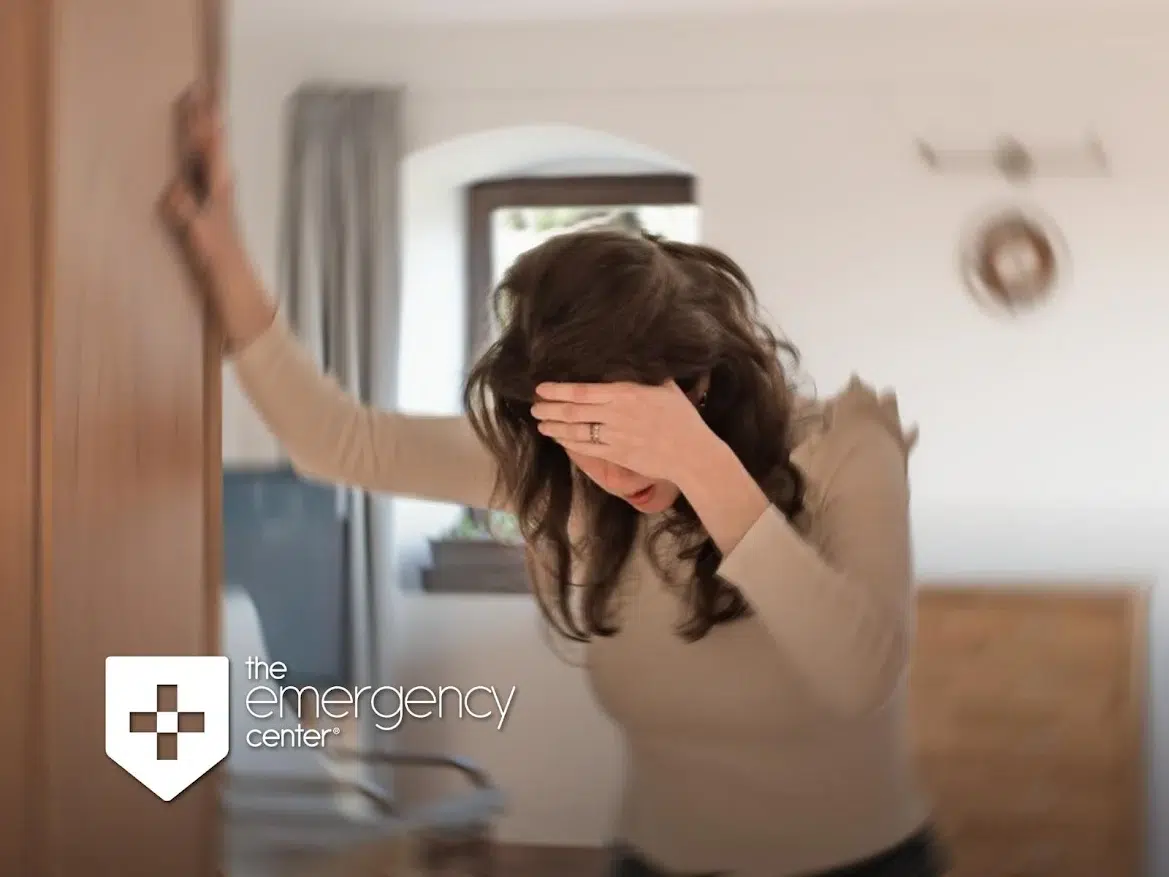
Vertigo is more than simple dizziness. It is the sensation that you or your surroundings are spinning, tilting, or moving when no actual movement is happening. Vertigo can make it difficult to stand, walk, drive, or complete normal daily activities.
Many people describe vertigo as:
- Feeling like the room is spinning
- Loss of balance
- A floating or tilting sensation
- Sudden unsteadiness
- Motion sickness symptoms
- Feeling pulled to one side
Vertigo itself is not a condition but rather a symptom of an underlying issue.
Common Causes of Vertigo
Some causes of vertigo are relatively minor and manageable, while others may require emergency treatment.
Common Causes Include:
- Inner ear infections
- Benign paroxysmal positional vertigo (BPPV)
- Vestibular neuritis
- Migraines
- Dehydration
- Low blood sugar
- Medication side effects
- Anxiety or panic attacks
However, severe dizziness can also be caused by dangerous conditions such as:
- Stroke
- Brain bleeding
- Heart problems
- Neurological disorders
- Severe infections
Because symptoms can overlap, it is important not to ignore sudden or severe dizziness.
Signs You Should Go to the ER for Vertigo
Mild dizziness that improves quickly may not require emergency care. However, some symptoms should never be ignored.
Go to the ER Immediately If You Experience:
- Sudden severe dizziness or vertigo
- Difficulty walking or standing
- Fainting or loss of consciousness
- Chest pain
- Shortness of breath
- Severe headache
- Vision changes
- Slurred speech
- Weakness or numbness
- Confusion or altered mental status
- Difficulty swallowing
- Persistent vomiting
- Seizures
- Symptoms after a head injury
These symptoms may indicate a serious medical emergency such as a stroke, heart condition, or neurological issue.
Could Severe Dizziness Be a Stroke?
One of the most serious causes of sudden vertigo is a stroke, especially a stroke affecting the back part of the brain, known as a posterior circulation stroke.
Unfortunately, many people do not realize that dizziness can sometimes be the primary symptom of a stroke.
Stroke Warning Signs Include:
- Sudden trouble speaking
- Facial drooping
- Weakness on one side of the body
- Loss of coordination
- Sudden severe headache
- Double vision
- Difficulty walking
If dizziness occurs alongside any stroke symptoms, seek emergency medical attention immediately. Fast treatment can significantly improve outcomes and reduce the risk of permanent disability.
When Vertigo May Not Require Emergency Care
Not all dizziness requires a trip to the ER. In some cases, symptoms may improve with rest, hydration, or follow-up care with a primary doctor or specialist.
Vertigo May Be Less Urgent If:
- Symptoms are mild
- You have experienced similar episodes before
- Symptoms improve quickly
- There are no neurological symptoms
- There is no chest pain or shortness of breath
- Dizziness occurs with known inner ear issues
Even so, if symptoms worsen or you are uncertain about the cause, it is always safest to seek medical evaluation.
Symptoms That Often Accompany Vertigo
Vertigo frequently occurs alongside other symptoms that can make daily activities difficult and uncomfortable.
Common Associated Symptoms Include:
- Nausea When to Go to the ER for Vertigo Symptoms
- Vomiting
- Ringing in the ears
- Hearing changes
- Sweating
- Sensitivity to motion
- Difficulty focusing
- Fatigue
- Balance problems
Severe vomiting or inability to keep fluids down can also lead to dehydration, which may worsen symptoms and require medical treatment.
What Causes Sudden Severe Dizziness?
Sudden dizziness can happen for many reasons, ranging from mild to life threatening.
Possible Causes Include:
- Inner ear inflammation
- Viral infections
- Blood pressure problems
- Low blood sugar
- Dehydration
- Heart rhythm abnormalities
- Anxiety attacks
- Medication reactions
- Neurological disorders
- Stroke
Because so many different systems in the body affect balance and coordination, diagnosing the cause of vertigo often requires a thorough medical evaluation.
What To Do During a Vertigo Episode
If you suddenly experience dizziness or vertigo, taking the right steps can help prevent injury and worsening symptoms.
Steps To Take:
- Sit or lie down immediately
- Avoid sudden head movements
- Stay hydrated
- Avoid driving
- Have someone stay nearby if symptoms are severe
- Monitor for worsening symptoms
If symptoms become severe, do not improve, or occur alongside neurological symptoms, seek emergency medical care right away.
Emergency Care for Severe Dizziness and Vertigo
At The Emergency Center, we understand how frightening severe dizziness and vertigo can feel. Because dizziness can sometimes signal a serious medical condition, our emergency teams work quickly to identify the underlying cause and begin treatment.
Our ER Can Provide:
- Comprehensive emergency evaluations
- Neurological assessments
- Stroke screenings
- Cardiac monitoring
- Imaging and diagnostic testing
- IV fluids for dehydration
- Medication to relieve nausea and vertigo symptoms
- Rapid treatment for emergency conditions
Our goal is to quickly determine whether your symptoms are caused by an inner ear condition, neurological issue, cardiovascular problem, or another medical emergency.
Why Fast Evaluation for Severe Dizziness Matters
Severe dizziness can sometimes indicate life threatening conditions that require immediate treatment. Rapid evaluation may help prevent:
- Stroke complications
- Falls and injuries
- Severe dehydration
- Heart complications
- Permanent neurological damage
Seeking care quickly can make a major difference in your recovery and overall outcome.
How to Help Prevent Future Vertigo Episodes
While not all causes of vertigo are preventable, there are steps you can take to reduce your risk and support overall health.
Helpful Prevention Tips:
- Stay hydrated
- Manage blood pressure
- Eat regular meals
- Avoid excessive alcohol
- Stand up slowly
- Manage stress
- Follow treatment plans for chronic conditions
- Attend regular medical checkups
If you experience recurring dizziness or balance problems, follow-up care with a medical provider may help identify underlying causes and reduce future episodes.
Get Emergency Care for Severe Vertigo Symptoms
Dizziness should never be ignored when it is sudden, severe, or accompanied by concerning symptoms. While some cases of vertigo are harmless, others may be signs of serious medical emergencies such as stroke or heart problems.
At The Emergency Center, our experienced emergency teams are available 24/7 to evaluate severe dizziness, vertigo, and balance-related symptoms. If you are experiencing sudden or severe vertigo symptoms, seek emergency medical care immediately.