
Sepsis Warning Signs: When Does an Infection Become a Medical Emergency?
Infections are a common part of life. From a minor cut that becomes irritated to a respiratory infection that leaves you feeling under the weather, most infections can be treated successfully with appropriate medical care. However, sometimes an infection can trigger a dangerous reaction throughout the body, leading to a life-threatening condition known as sepsis.
Sepsis is a serious medical emergency that can develop quickly, sometimes progressing from seemingly manageable symptoms to critical illness in a matter of hours. Recognizing the early warning signs and knowing when to seek emergency medical attention can make a significant difference in a patient’s outcome.
At The Emergency Center, our board-certified emergency physicians and experienced ER-trained nurses are available 24 hours a day, seven days a week to evaluate serious infections, recognize signs of sepsis, and provide timely emergency treatment when every minute matters.
What Is Sepsis?
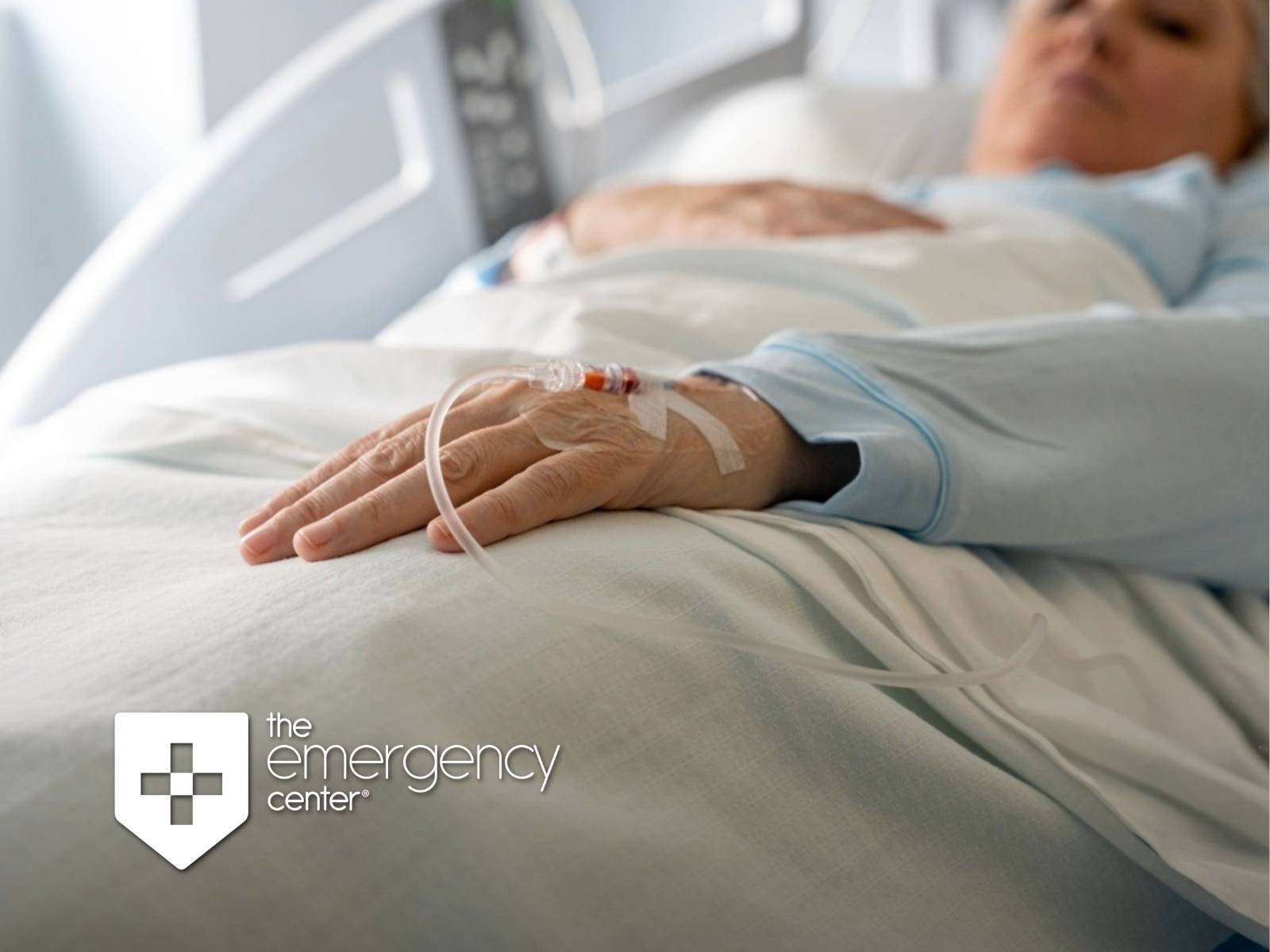
Sepsis is a life-threatening condition that occurs when the body’s response to an infection becomes dysregulated and begins damaging its own tissues and organs.
Normally, the immune system works to fight infections caused by bacteria, viruses, fungi, or other microorganisms. However, during sepsis, the body’s response to an infection can interfere with normal circulation, trigger widespread inflammation, and cause organs to malfunction.
Without prompt medical treatment, sepsis can progress to septic shock, a particularly dangerous condition involving severe circulatory problems and dangerously low blood pressure. Septic shock can lead to organ failure and death.
According to the Centers for Disease Control and Prevention (CDC), at least 1.7 million adults in the United States develop sepsis each year, and approximately 350,000 adults who develop sepsis die during their hospitalization or are discharged to hospice.
Although these statistics are alarming, early recognition and prompt treatment can improve the chances of survival.
What Types of Infections Can Lead to Sepsis?
One of the most important things to understand about sepsis is that it can develop from many different types of infections, including infections that initially appear relatively minor.
Some of the most common infections associated with sepsis include:
- Pneumonia and respiratory infections: Infections affecting the lungs are among the most common causes of sepsis, particularly in older adults and individuals with weakened immune systems.
- Urinary tract infections (UTIs): A UTI that spreads to the kidneys or bloodstream can lead to serious complications, including sepsis.
- Skin and soft tissue infections: Infected wounds, cellulitis, abscesses, and other skin infections can become dangerous when an infection spreads or triggers a severe immune response.
- Abdominal infections: Conditions such as appendicitis, diverticulitis, gallbladder infections, and infections involving the intestines can lead to sepsis.
- Post-surgical infections: Infections that develop after surgery or medical procedures can sometimes progress to sepsis.
- Bloodstream infections: Infections involving the bloodstream can cause a severe systemic response and may develop into sepsis.
Not every infection will lead to sepsis. However, it is important to monitor symptoms closely, particularly when an infection appears to be getting worse rather than improving.
What Are the Early Warning Signs of Sepsis? 7 Symptoms to Watch For
Sepsis can be difficult to recognize because many early symptoms resemble those of common illnesses such as the flu, pneumonia, or a stomach virus.
Symptoms may develop suddenly or worsen rapidly. Knowing what to watch for can help you recognize when an infection may require emergency medical attention.
-
Fever, Chills, or Abnormally Low Body Temperature
A fever is a common sign that the body is fighting an infection. However, a high fever accompanied by shaking chills, extreme weakness, or other concerning symptoms may indicate a more serious illness.
Some patients with sepsis, particularly older adults or individuals with weakened immune systems, may develop an abnormally low body temperature instead of a fever.
Importantly, sepsis can occur even without a fever.
-
Rapid Heart Rate
When the body is fighting a serious infection, the heart may begin beating faster than normal.
A noticeably racing heartbeat while resting, particularly when accompanied by fever, dizziness, weakness, or shortness of breath, may be a warning sign of sepsis.
-
Rapid Breathing or Shortness of Breath
Sepsis can affect the body’s ability to deliver and use oxygen efficiently.
Individuals may begin breathing faster than usual, feel unusually short of breath, or experience difficulty catching their breath.
Severe breathing difficulties require immediate emergency medical attention.
-
Sudden Confusion or Changes in Mental Awareness
One of the more concerning signs of sepsis is a sudden change in mental status.
A person may appear unusually confused, disoriented, extremely sleepy, or difficult to wake.
In older adults, sudden confusion or a noticeable change in behavior may be one of the first signs of a serious infection.
-
Extreme Pain, Weakness, or Discomfort
Sepsis can cause severe muscle aches, unusual pain, or an overwhelming feeling of illness.
Some patients describe feeling significantly worse than they would expect from an ordinary infection.
Extreme weakness, difficulty standing, or an inability to perform normal activities may also indicate a serious medical problem.
-
Clammy, Sweaty, Pale, or Mottled Skin
Changes in circulation can cause the skin to become cold, sweaty, clammy, pale, or unusually discolored.
In severe cases, the skin may develop a blotchy or mottled appearance. These symptoms are especially concerning when accompanied by confusion, breathing difficulties, or weakness.
-
Decreased Urination
Sepsis can interfere with blood flow to the kidneys, potentially causing kidney dysfunction.
Urinating significantly less than normal, especially alongside other symptoms of infection, may indicate dehydration, kidney injury, or another serious complication.
When Should You Call 911 or Go to the ER for Sepsis?
Many infections can be managed through primary care, urgent care, or prescribed medications. However, an infection becomes an emergency when there are signs that the illness may be affecting vital organs, circulation, breathing, or mental awareness.
Call 911 immediately if someone with a known or suspected infection develops any of the following:
- New confusion, unresponsiveness, or difficulty waking up
- Severe difficulty breathing
- Fainting, collapse, or signs of shock
- Blue, gray, or severely mottled skin, lips, or nail beds
- Rapidly worsening symptoms accompanied by extreme weakness or serious illness
Other concerning symptoms, including a racing heartbeat, persistent high fever with shaking chills, significantly reduced urination, or worsening pain, warrant prompt medical evaluation, particularly when several symptoms occur together.
You do not need to have every symptom of sepsis to be experiencing a medical emergency. Sepsis may also develop without a fever or an obvious source of infection.
If you suspect sepsis, seek emergency medical care immediately. Do not wait for symptoms to improve on their own.
Who Is Most at Risk for Developing Sepsis?
Although anyone can develop sepsis, certain individuals have a higher risk of experiencing serious complications from an infection.
Higher-risk groups include:
- Adults age 65 and older
- Infants and young children, particularly those younger than one year
- Individuals with weakened immune systems
- Patients with chronic medical conditions such as diabetes, kidney disease, or lung disease
- Individuals who have recently undergone surgery or been hospitalized
- People with serious wounds, burns, or invasive medical devices
- Individuals who have previously experienced sepsis
Patients in these groups should be particularly cautious when an infection develops or symptoms begin worsening.
For parents, warning signs in young children may include unusual sleepiness, difficulty waking, fast breathing, poor feeding, decreased wet diapers, or abnormal skin color.
Any infant younger than three months with a temperature of 100.4°F (38°C) or higher requires immediate medical evaluation, even if the baby otherwise appears well.
How Quickly Can Sepsis Develop?
One of the most dangerous characteristics of sepsis is how quickly a patient’s condition can deteriorate.
In some cases, a person may begin the day experiencing what seems like an ordinary infection and develop serious complications within hours.
The rate of progression varies depending on the type of infection, the patient’s overall health, and other medical factors.
This is why it is important to pay attention to changes in symptoms rather than focusing only on how long someone has been sick.
An infection that suddenly becomes significantly worse, especially when accompanied by confusion, difficulty breathing, or signs of poor circulation, should never be ignored.
How Is Sepsis Diagnosed in the Emergency Room?
Sepsis cannot be reliably diagnosed at home based on symptoms alone. Emergency physicians evaluate the patient’s medical history, symptoms, vital signs, and physical condition to determine whether an infection may be causing organ dysfunction.
Depending on the patient’s condition, diagnostic testing may include:
- Blood tests: To evaluate infection-related changes, kidney and liver function, blood cell counts, and other indicators of organ dysfunction.
- Blood cultures: To help identify bacteria or other organisms in the bloodstream when appropriate.
- Lactate testing: To assess for elevated lactate levels, which may suggest impaired tissue perfusion or other serious physiological stress.
- Urinalysis: To identify possible urinary tract or kidney infections.
- Diagnostic imaging: X-rays, CT scans, or ultrasound examinations may help identify infections affecting the lungs, abdomen, or other areas of the body.
- Vital sign monitoring: Repeated evaluation of blood pressure, heart rate, breathing, oxygen levels, and temperature helps physicians assess the patient’s condition.
There is no single test that diagnoses every case of sepsis. Emergency physicians use clinical findings and diagnostic results together to determine the appropriate course of treatment.
How Does The Emergency Center Treat Sepsis and Serious Infections?
When a serious infection or sepsis is suspected, prompt emergency evaluation and treatment are essential.
At The Emergency Center, our experienced emergency medical team is available 24/7 to assess patients experiencing symptoms of serious infections and potentially life-threatening complications.
Immediate Evaluation by Board-Certified Emergency Physicians
Our board-certified emergency physicians are trained to recognize and manage a wide range of medical emergencies, including severe infections and suspected sepsis.
Our team can evaluate symptoms, assess vital signs, and determine the appropriate next steps for diagnosis and treatment.
Onsite Laboratory Testing and Diagnostic Imaging
The Emergency Center offers onsite laboratory services and advanced diagnostic imaging, including CT scans, ultrasound, and digital X-rays.
These resources help physicians investigate possible sources of infection and evaluate complications without requiring patients to travel to separate diagnostic facilities.
Emergency Sepsis Treatment and Stabilization
Depending on the patient’s medical condition, treatment for suspected sepsis may include intravenous fluids, appropriate antimicrobial medications, oxygen support, and close monitoring.
Patients with suspected bacterial sepsis may require prompt IV antibiotics. Treatment decisions depend on the suspected source of infection, the severity of illness, and the patient’s individual needs.
For patients experiencing severe complications, our emergency team can provide initial stabilization and coordinate transfer to a hospital when a higher level of care, such as intensive care or specialized treatment, is necessary.
24/7 Sepsis Emergency Care in San Antonio and Conroe
Serious infections do not follow a schedule. Symptoms can worsen overnight, on weekends, or during holidays.
The Emergency Center is open 24 hours a day, seven days a week, providing access to emergency physicians, experienced nurses, onsite testing, and emergency treatment when patients need it most.
Can Sepsis Be Prevented?
While not every case of sepsis can be prevented, taking steps to reduce the risk of infection and recognizing worsening symptoms can help protect your health.
Some important preventive measures include practicing proper hand hygiene, keeping wounds clean and covered, staying current on recommended vaccinations, managing chronic medical conditions, and seeking appropriate treatment for infections.
Patients who are prescribed antibiotics should follow their healthcare provider’s instructions and take medications as directed. Antibiotics do not treat viral infections and should only be used when medically appropriate.
It is also important to monitor infections that are not improving as expected, especially if new symptoms develop.
Don’t Ignore the Warning Signs of Sepsis
Sepsis is a serious, potentially life-threatening medical emergency, but recognizing the warning signs and acting quickly can make a difference.
Whether an infection begins in the lungs, urinary tract, skin, or another part of the body, symptoms such as confusion, rapid breathing, extreme weakness, or signs of poor circulation should never be overlooked.
At The Emergency Center, our board-certified emergency physicians and experienced ER-trained nurses are ready to provide compassionate, timely emergency care for serious infections and other medical emergencies.
With 24/7 availability, onsite laboratory testing, advanced imaging, and emergency treatment capabilities, our team is here to help when your health cannot wait.
If you or a loved one is experiencing signs of a serious infection or suspected sepsis, seek emergency medical attention immediately. For life-threatening symptoms, call 911.