
Sudden Vision Loss: When to Go to the ER and What to Do
Your vision can change for many reasons, but when vision suddenly becomes blurry, dark, distorted, or disappears altogether, it should not be ignored. Sudden vision loss can be a medical emergency, particularly when it happens without an obvious explanation or is accompanied by other concerning symptoms.
Vision loss may affect one eye or both eyes and can range from a small area of missing vision to complete blindness. It may be temporary or persistent, painful or painless. Because certain causes of sudden vision loss can threaten eyesight or signal another serious medical condition, prompt evaluation is important.
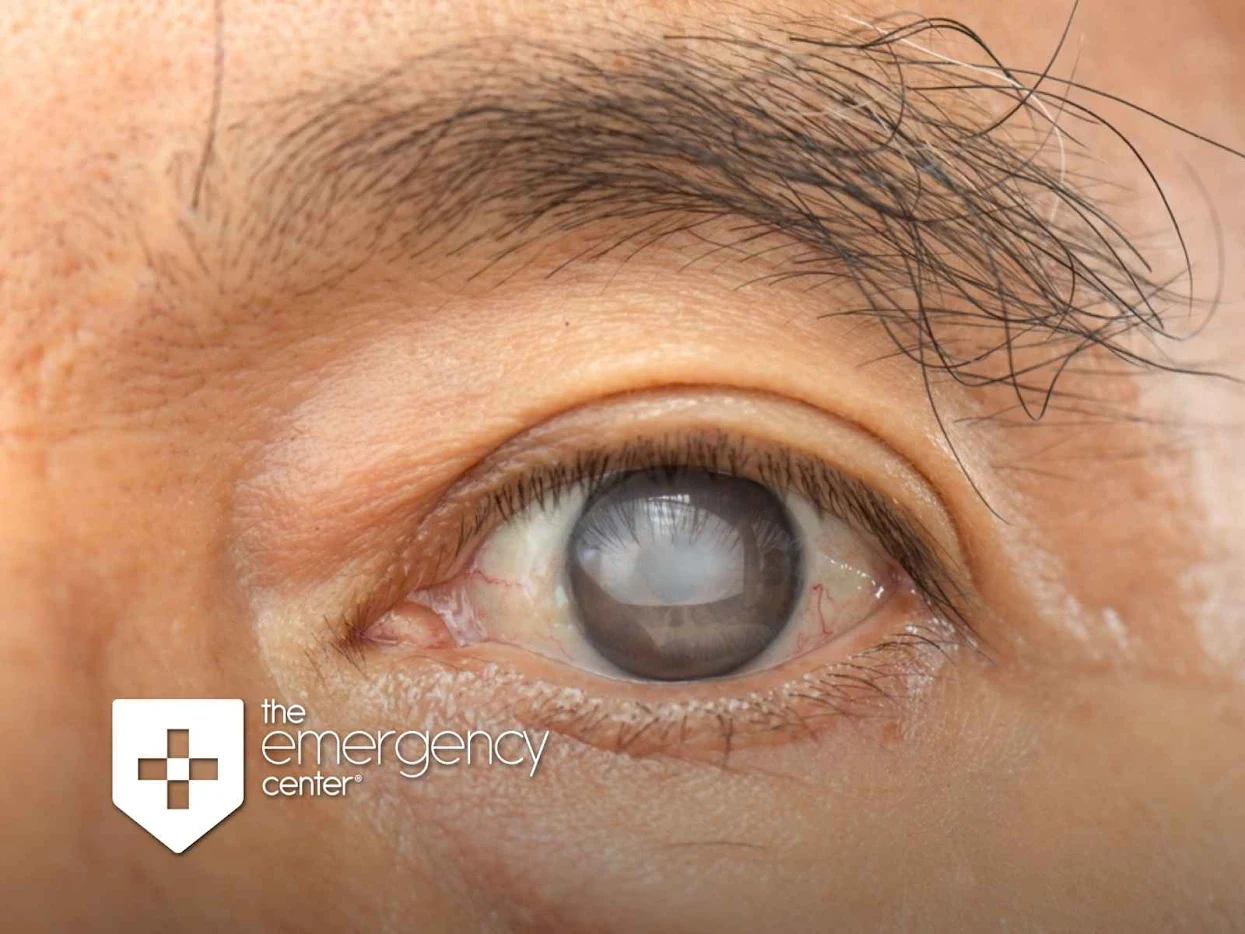
What Is Considered Sudden Vision Loss? Common Symptoms
Sudden vision loss generally refers to a significant change in vision that develops quickly, potentially over seconds, minutes, or hours. It does not always mean complete blindness.
A sudden vision problem may feel or look like:
- Complete loss of vision in one or both eyes
- A dark or shadowed area in your field of vision
- A curtain or veil moving across your vision
- Sudden severe blurriness
- Loss of peripheral or central vision
- New flashing lights or a sudden increase in floaters
- Double vision
- Distorted vision
- Difficulty seeing colors or details
- Temporary loss of vision that later returns
Even if your vision returns to normal, a sudden episode of vision loss should not automatically be dismissed. Temporary vision loss can sometimes be associated with conditions affecting blood flow to the eye or brain and may require urgent medical evaluation.
What Causes Sudden Loss of Vision in One or Both Eyes?
Sudden vision changes have many possible causes. Some may primarily affect the eye, while others may be related to the brain, blood vessels, or another underlying medical problem.
Retinal Detachment
The retina is the light-sensitive tissue at the back of the eye. A retinal detachment occurs when the retina separates from its normal position.
Warning signs can include a sudden increase in floaters, flashes of light, or a shadow or “curtain” across part of your field of vision. A retinal detachment is an emergency because delays in treatment may increase the risk of permanent vision loss.
Retinal Blood Vessel Blockage (Eye Stroke)
Blood vessels supply oxygen and nutrients to the retina. If one of these vessels becomes blocked, sudden painless vision loss may occur.
A blockage of an artery supplying the retina can cause sudden, significant vision loss and requires immediate medical attention.
Stroke or Transient Ischemic Attack (TIA)
Sudden changes in vision can sometimes be a symptom of a stroke or transient ischemic attack (TIA), especially when vision problems occur along with weakness, numbness, difficulty speaking, facial drooping, confusion, severe dizziness, or problems with coordination.
If stroke symptoms are present, call 911 immediately. Do not attempt to drive yourself to the emergency room.
Acute Angle-Closure Glaucoma
Acute angle-closure glaucoma occurs when pressure inside the eye rises rapidly. Symptoms may include severe eye pain, headache, blurred vision, halos around lights, eye redness, nausea, or vomiting.
This condition requires emergency treatment to help reduce pressure inside the eye and protect vision.
Eye Injuries and Chemical Exposure
Blunt trauma, penetrating injuries, foreign objects, or chemical exposure can cause sudden changes in vision. Any significant eye injury associated with decreased vision, severe pain, bleeding, or an object penetrating the eye should receive immediate medical attention.
Optic Nerve Problems
The optic nerve carries visual information from the eye to the brain. Inflammation, reduced blood supply, or other problems involving the optic nerve can cause sudden or rapidly developing changes in vision.
Migraine With Visual Aura
Some migraines can cause temporary visual disturbances, including flashing lights, blind spots, zigzag patterns, or other changes in vision. However, you should not assume that a new or unusual episode of vision loss is “just a migraine,” particularly if you have never experienced similar symptoms before.
New, severe, or unexplained vision changes should be medically evaluated.
When Should You Go to the ER for Sudden Vision Loss?
Sudden, unexplained loss or significant changes in vision should be treated as an emergency.
Seek immediate emergency care for symptoms such as:
- Sudden complete or partial vision loss
- A curtain, shadow, or dark area across your vision
- Sudden vision loss in one eye
- Sudden severe blurriness or distorted vision
- New flashes of light accompanied by numerous floaters
- Sudden double vision
- Severe eye pain with vision changes
- Vision changes following a significant head or eye injury
- Vision loss accompanied by severe headache
- Vision changes with dizziness, loss of balance, or confusion
- Facial drooping
- Weakness or numbness, especially on one side of the body
- Difficulty speaking or understanding speech
- Sudden loss of coordination
If vision loss occurs with signs of a possible stroke, call 911 immediately.
What to Do If You Suddenly Lose Vision
When vision changes suddenly, what you do next matters. Avoid delaying emergency care while waiting to see whether symptoms improve.
1. Note When the Symptoms Started
Try to remember the exact time you first noticed the vision change. This can be particularly important if doctors are concerned about a stroke or another condition involving blood flow.
If you woke up with vision loss, note when you were last awake and seeing normally.
2. Do Not Drive Yourself to the ER
Sudden vision changes can make driving dangerous. Have someone take you to the emergency room or call 911 when appropriate.
3. Do Not Rub or Put Pressure on the Eye
If your symptoms began following an injury, avoid rubbing, pressing, or manipulating the affected eye.
If an object has penetrated the eye, do not attempt to remove it yourself. Protect the area from additional contact and seek emergency medical care.
4. Pay Attention to Other Symptoms
Vision loss may be only one part of a larger medical problem. Note whether you are also experiencing headache, dizziness, weakness, numbness, nausea, vomiting, eye pain, confusion, or difficulty speaking.
Share these symptoms with the emergency medical team when you arrive.
5. Bring Important Medical Information
If possible, bring a list of your medications and information about relevant medical conditions. Tell your emergency care team if you take blood thinners or have a history of diabetes, high blood pressure, migraines, glaucoma, previous eye problems, stroke, or cardiovascular disease.
Do not delay emergency care to gather paperwork or medical records.
Temporary Vision Loss: Why You Shouldn’t Wait for Vision to Return
One of the most important things to understand about sudden vision loss is that temporary does not necessarily mean harmless.
Vision that disappears and then returns can still warrant emergency evaluation. Similarly, painless vision loss can be serious. The absence of pain does not mean the eye or surrounding structures are safe.
Waiting until the next morning, scheduling a routine eye exam several days later, or hoping symptoms resolve on their own may delay diagnosis of a time-sensitive condition.
When the change is sudden and unexplained, it is safer to seek prompt medical attention.
Emergency Care for Sudden Vision Loss at The Emergency Center
Sudden vision loss can have causes involving the eye, nervous system, circulation, or other parts of the body. Emergency evaluation can help determine whether your symptoms may be associated with a potentially serious condition.
At The Emergency Center, our emergency medical team can evaluate your symptoms, medical history, and overall condition to determine the appropriate next steps.
Depending on your symptoms and suspected cause, evaluation may include:
- A physical and neurological examination
- Assessment of vision and eye symptoms
- Evaluation for signs of stroke
- Blood pressure and vital sign monitoring
- Laboratory testing
- Onsite diagnostic imaging, including CT when medically appropriate
- Medications or other emergency treatment based on your condition
- Coordination with specialists or a higher level of care when necessary
Because vision changes can sometimes be connected to neurological or cardiovascular emergencies, evaluating more than the eye itself may be important.
Sudden Vision Loss? Get 24/7 Emergency Care
Not every vision change is an emergency, but sudden, significant, or unexplained vision loss deserves immediate attention. Whether you notice a curtain across your vision, sudden blurriness, complete loss of sight in one eye, severe eye pain, or vision changes accompanied by neurological symptoms, getting evaluated quickly may be critical.
For symptoms of a possible stroke or another life-threatening emergency, call 911 immediately.
For sudden vision changes requiring emergency evaluation, The Emergency Center is open 24 hours a day, 7 days a week. Our board-certified emergency physicians, ER-trained nurses, onsite laboratory, and diagnostic imaging capabilities allow our team to evaluate a wide range of medical emergencies when every minute matters.
When something suddenly doesn’t look right, don’t ignore what your eyes are telling you. The Emergency Center is here when you need emergency care.